Saving money can be difficult when you have a limited income. Sometimes, money is spent on food, bills, transport, and other daily needs. But with a little planning and good habits, you can save money even when your budget is small.
Make A Monthly Budget
The first step is to make a simple monthly budget. Write down how much money you earn and how much you need to spend. This helps you understand where your money goes and how much you can save.
Spend Money On Important Things First
Always spend money on your basic needs first, such as food, bills, and transport. Avoid buying things you do not really need. This will help you keep more money for the future.
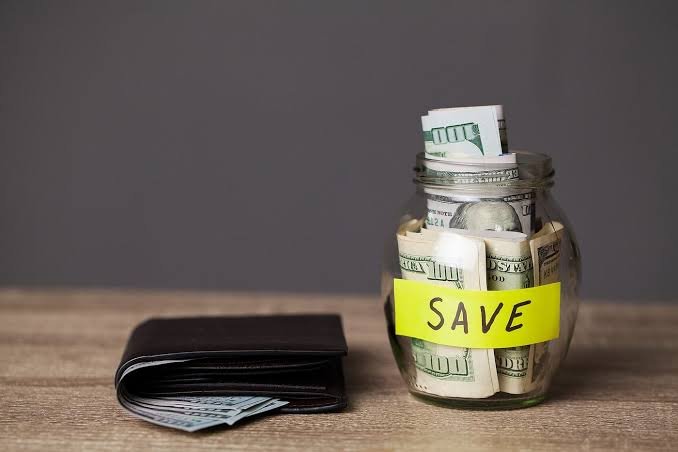
Save A Small Amount Regularly
You do not need a lot of money to start saving. Try to save a small amount every week or month. Even a little money can grow into a good amount over time if you save regularly.
Avoid Unnecessary Shopping
Before buying something, ask yourself if you really need it. Avoid buying things just because they look attractive or are on sale. Buying fewer unnecessary items can help you save more money.
Compare Prices Before Buying
Always compare prices before buying clothes, groceries, or other items. Different shops may sell the same product at different prices. Choose good-quality items at reasonable prices to get more value for your money.
Reduce Food Waste
Try to plan your meals before shopping for groceries. Buy only the food you need and use the food already available at home. This simple habit can reduce waste and help lower your monthly expenses.
Keep Track Of Your Spending
Write down your daily expenses in a notebook or on your phone. At the end of the week, check where your money went. This will help you find unnecessary expenses and make better choices next time.
Avoid Borrowing Money For Unnecessary Things
Try not to borrow money to buy things you can live without. Borrowing can make it harder to manage your budget later. Save money first and buy non-essential items when you can afford them.
Find Ways To Reduce Bills
Turn off lights and fans when they are not needed. Save water and avoid wasting household supplies. Small changes at home can help reduce monthly bills and leave more money for savings.
Set A Saving Goal
Choose a clear goal for your savings, such as building an emergency fund or saving for something important. Having a goal can motivate you to save regularly. Keep your savings separate from the money you use for daily expenses.
Conclusion
Saving money on a limited budget is possible with simple habits and careful planning. You do not need to earn a lot to begin saving. Spend wisely, avoid waste, and save a small amount regularly. Remember, even small savings can make a big difference over time.



0 Comments