
Introduction
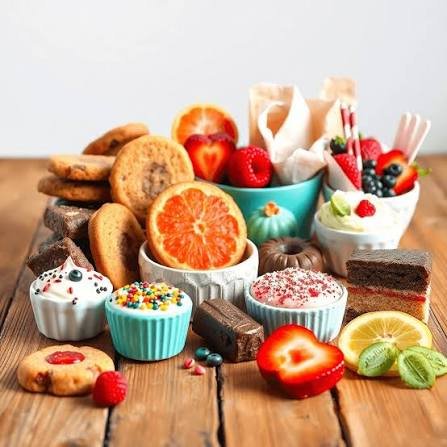
Desserts are sweet foods that people usually enjoy after lunch or dinner. They are also an important part of birthday parties, weddings, family gatherings, and other special events. Cakes, ice cream, cookies, chocolates, puddings, donuts, brownies, and fruit salads are some of the most popular desserts around the world. Many people love desserts because they taste delicious and make meals more enjoyable. Some people even wait until the end of a meal because they want to enjoy their favorite sweet treat.
Desserts are available in many different flavors, shapes, colors, and sizes. Some are made with fruits, milk, yogurt, and nuts, while others contain chocolate, cream, butter, and sugar. Although desserts can make us feel happy, eating too many sweet foods is not always good for our health. Some desserts contain useful nutrients, while others have high amounts of sugar, fat, and calories. This is why it is important to understand both the benefits and disadvantages of desserts. By learning about their good and bad effects, we can make better food choices and enjoy our favorite sweets without harming our health.
Benefits of Desserts
Better Mood
One of the biggest benefits of desserts is that they can make us feel happy and relaxed. Many people enjoy eating chocolate, ice cream, or cake when they want to treat themselves after a busy or tiring day. Sweet foods can give us a feeling of pleasure and make an ordinary moment more enjoyable. For example, having your favorite dessert after completing schoolwork or spending time with friends can make you feel good. Desserts are also connected with happy memories, such as birthday celebrations, family dinners, and holidays. Although they cannot solve our problems, enjoying a small sweet treat can be a pleasant part of our day.
Quick Energy
Some desserts contain carbohydrates and sugar, which provide energy to our bodies. Energy is important because it helps us walk, run, play games, study, and complete our daily activities. For example, a small piece of cake, a cookie, or a fruit-based dessert can provide quick energy because it contains carbohydrates. Some desserts made with oats, milk, and nuts can also provide additional nutrients and energy. However, sugary desserts should not be our main source of energy because they may contain many calories without providing enough important nutrients. Healthy foods such as fruits, vegetables, whole grains, and balanced meals are better choices for keeping our bodies active and strong.
Healthy Nutrients
Not all desserts are unhealthy, as some can provide important nutrients when they are made with good ingredients. For example, fruit salads contain vitamins, minerals, and fiber that support our health and help our digestive system work properly. Desserts made with milk or yogurt can provide calcium, which helps build strong bones and teeth. Nuts such as almonds and walnuts can also add protein, healthy fats, and other useful nutrients to homemade desserts. Even a simple bowl of yogurt with fresh fruits can be a nutritious sweet treat. Choosing desserts made with natural ingredients is a good way to enjoy something sweet while also getting some nutrients that our bodies need.
Special Moments
Desserts play an important role in many celebrations and special events. Birthday cakes, wedding sweets, ice cream parties, and traditional desserts are enjoyed by people of different ages. These sweet foods make celebrations more exciting and give people something special to share with others. For example, cutting a birthday cake with family and friends is a popular tradition in many countries. During festivals and holidays, people also prepare special desserts according to their local traditions. These foods are not only enjoyed for their taste but also because they are connected with happiness, family traditions, and special memories.
New Flavors
Desserts come in many different flavors, and every person can find something they enjoy. Some people like chocolate desserts, while others prefer fruit cakes, vanilla ice cream, puddings, or traditional sweets. Trying different desserts can help us discover new tastes and enjoy foods from different cultures. For example, some countries are famous for their special cakes, while others are known for sweet rice dishes, pastries, and milk-based desserts. Learning about these foods can also help us understand different food traditions around the world. This makes desserts an interesting part of food culture and gives people a chance to enjoy new flavors.
Eating Fruits
Some children do not enjoy eating fresh fruits, but they may like desserts made with fruits. Fruit salads, banana yogurt, apple desserts, and homemade fruit popsicles are good examples of sweet treats that include healthy ingredients. These desserts can make fruits more interesting and enjoyable, especially for children who do not like eating them on their own. Fruits contain important vitamins, minerals, and fiber that help our bodies stay healthy. They also add natural sweetness to desserts, which means we may not need to add much extra sugar. However, it is better to use fresh fruits instead of adding large amounts of cream, sweet sauces, or artificial toppings.
Family Time
Preparing and sharing desserts can be a fun activity for families and friends. Parents and children can make homemade cookies, cupcakes, fruit salads, or simple puddings together. It gives family members a chance to spend quality time with each other while learning simple cooking skills. Children can help wash fruits, mix ingredients, and decorate desserts under adult supervision. Sharing homemade sweets with friends and relatives can also make people feel closer. These small activities may seem simple, but they can create happy memories that families remember for a long time.
Disadvantages of Desserts
Weight Gain
One of the main disadvantages of eating too many desserts is weight gain. Many popular desserts contain large amounts of sugar, butter, cream, and other high-calorie ingredients. When we regularly eat more calories than our bodies need, the extra energy can be stored as body fat. Over time, this may lead to unhealthy weight gain, especially when we do not get enough physical activity. For example, eating large portions of cake, donuts, or ice cream every day can increase our daily calorie intake. This does not mean that enjoying a small dessert is harmful, but eating too much of it regularly can affect our health. That is why it is important to control portion sizes and maintain a balanced diet.
Tooth Decay
Many desserts contain sugar, which can increase the risk of tooth decay and other dental problems. Bacteria naturally found in our mouths use sugar to produce acids that slowly damage the outer layer of our teeth. If we eat sugary foods too often and do not clean our teeth properly, cavities may develop over time. Chocolates, candies, cakes, cookies, and sticky sweets can be especially difficult to remove from our teeth. This may lead to tooth pain and the need for dental treatment. To protect our teeth, we should brush twice a day, clean between our teeth, drink water, and avoid eating too many sugary desserts.
Health Risks
Eating too many desserts that contain added sugar and unhealthy fats can affect our health over time. Regularly consuming large amounts of sugary foods may contribute to weight gain and increase the risk of type 2 diabetes and other health problems. Some desserts also contain high amounts of saturated fat, which should be limited as part of a healthy diet. For example, eating cakes, pastries, and cream-filled sweets in large amounts every day is not a good habit. However, eating one piece of cake at a birthday party does not mean that someone will develop a health problem. The main concern is making sugary and fatty foods a regular part of our daily diet.
Poor Eating Habits
Another disadvantage of desserts is that they can take the place of healthy foods in our daily meals. When children and adults eat too many sweets, they may not feel hungry enough to eat proper meals. As a result, they may miss important nutrients that their bodies need for growth, energy, and good health. For example, eating chocolate, cookies, and ice cream instead of fruits, vegetables, or a balanced lunch is not a healthy choice. Our bodies need protein, vitamins, minerals, fiber, and other nutrients to work properly. If we depend too much on desserts, it may become difficult to maintain healthy eating habits.
Stomach Problems
Eating too many desserts in one sitting can sometimes cause stomach problems and discomfort. Some people may experience bloating, gas, or an upset stomach after eating large amounts of sweet foods. Desserts made with milk, cream, or cheese can also cause problems for people who have difficulty digesting dairy products. Very rich desserts may feel heavy, especially when eaten immediately after a large meal. For example, eating several pieces of cake followed by a large bowl of ice cream may make a person feel uncomfortable. Eating smaller portions and choosing ingredients that suit our bodies can help prevent these problems.
Too Much Sugar
Eating sugary desserts very frequently can create a habit of choosing sweet foods whenever we feel hungry or bored. For example, some people may start eating chocolate, cookies, or ice cream every day without thinking about how much sugar they are consuming. Over time, they may find it difficult to choose healthier snacks such as fresh fruits, nuts, or yogurt. Eating too much added sugar can also make it harder to maintain a balanced diet. Children who regularly eat sweets instead of nutritious foods may develop unhealthy eating habits as they grow older. Choosing healthier snacks and keeping sugary desserts as occasional treats can help us build better food habits.
Unhealthy Fats
Many desserts, especially cakes, donuts, pastries, brownies, and cream-filled sweets, contain large amounts of butter, cream, and other fats. These ingredients can make desserts taste rich and delicious, but eating too much of them can increase our daily calorie intake. Some packaged desserts also contain high amounts of saturated fat and added sugar. Regularly eating these foods in large portions may contribute to weight gain and increase the risk of certain health problems. A better choice is to enjoy smaller portions or prepare homemade desserts using healthier ingredients. Adding fresh fruits, oats, or nuts can make some desserts more nutritious.
Meal Problems
Eating desserts at the wrong time or in large amounts can affect our normal eating routine. For example, having a large bowl of ice cream or several pieces of cake before dinner may reduce our appetite for a healthy meal. This can become a problem for children because their bodies need balanced meals to support their growth, learning, and daily activities. Some people also replace breakfast or lunch with sweet foods because they are quick and easy to eat. However, desserts usually do not provide all the nutrients that a proper meal contains. Following regular meal times and eating nutritious foods first can help us maintain a healthier routine.
Healthy Dessert Habits
Small Portions
We do not need to stop eating desserts completely to live a healthy life. The important thing is to enjoy them in reasonable amounts and avoid eating too many sugary foods every day. Instead of having large portions, we can enjoy a small piece of cake, a little chocolate, or a small bowl of ice cream. Eating desserts occasionally rather than making them a daily habit can help us maintain better eating habits. It is also important to remember that not every dessert needs to be unhealthy. We can enjoy sweet foods while making better choices about their ingredients and portion sizes.
Healthy Choices
Another good idea is to choose homemade desserts made with natural and nutritious ingredients. Fresh fruit salads, yogurt with nuts, homemade banana ice cream, and fruit smoothies are some delicious options. These foods can provide vitamins, minerals, and other useful nutrients while still giving us a sweet taste. When preparing desserts at home, we can also reduce the amount of added sugar and use fresh fruits to improve their flavor. Homemade desserts give us more control over the ingredients, which makes it easier to avoid unnecessary sugar and other unhealthy additions.
Balanced Diet
Along with choosing healthier desserts, we should also pay attention to our overall lifestyle. Eating balanced meals, drinking enough water, getting proper sleep, and staying physically active are important for good health. Our daily diet should include fruits, vegetables, whole grains, protein, and other nutritious foods. We should also avoid using desserts as a replacement for breakfast, lunch, or dinner. When we follow healthy eating habits, we can enjoy our favorite sweet treats without making them a major part of our diet.
Conclusion
Desserts are a delicious part of our food culture, and people around the world enjoy them for many different reasons. They can make us feel happy, provide energy, and bring families and friends together during special occasions. Some desserts also contain useful nutrients, especially when they are prepared with fresh fruits, milk, yogurt, and nuts. They allow us to enjoy different flavors and learn about the food traditions of other countries. This shows that desserts can have some positive effects when we choose the right ingredients and eat them in reasonable amounts.
However, eating too many desserts can also have disadvantages. They may cause weight gain, tooth decay, stomach discomfort, and increase the risk of certain health problems when consumed regularly in large amounts. They can also replace healthy foods and encourage poor eating habits. The best way to enjoy desserts is to eat them in moderation and choose healthier options whenever possible. We should never allow sweet foods to replace our regular nutritious meals. A balanced diet, good eating habits, and regular physical activity are the keys to staying healthy and strong while still enjoying our favorite desserts.

0 Comments